
Start with the basics, then know your limit
Many small clogs in Iowa homes respond to a few cautious steps. Plumbers in Iowa see a lot of clogs caused by hair, soap scum, or grease buildup. A plunger can clear minor blockages in toilets or sinks if there’s no standing water in adjacent fixtures. If a single fixture is affected, you can try a gentle, mechanical approach before calling a pro.
But there are limits. If plunging doesn’t move the blockage within a few minutes, or if multiple fixtures are affected, it’s time to bring in a plumber. Pipe access and deeper blockages require professional tools and training to avoid damage and messy overflows.
When DIY isn’t enough
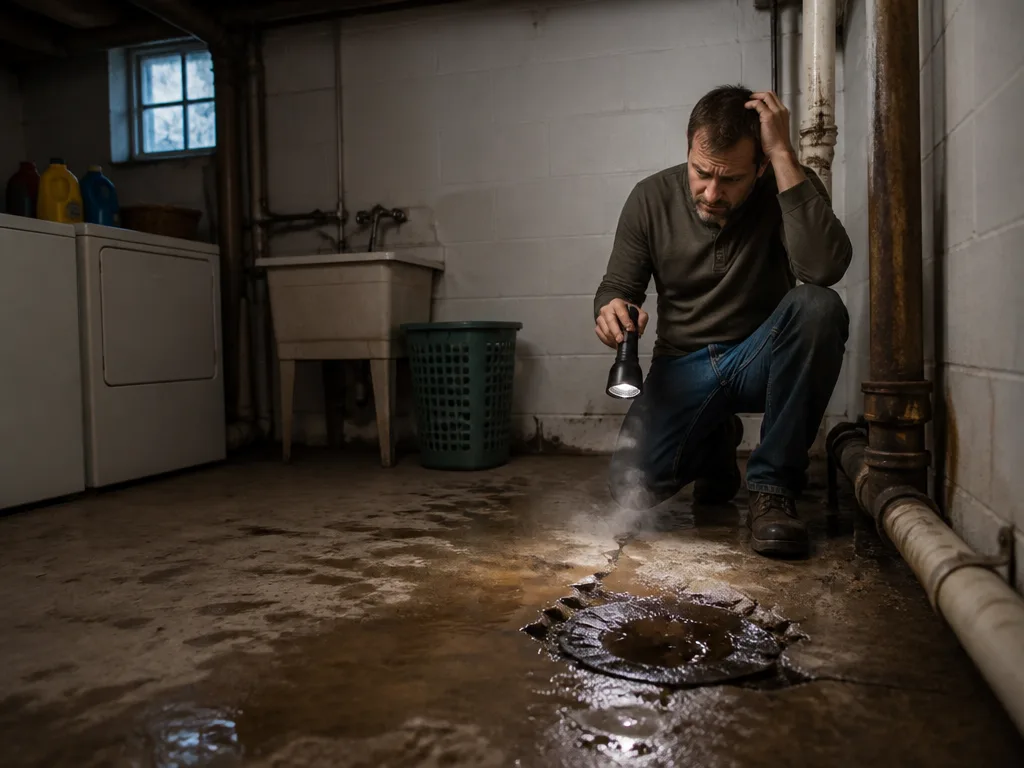
Recurring clogs, foul odors, or water backing up into more than one fixture suggest a deeper issue in the main line or underground elements. In Iowa, these problems can be tied to root intrusion, collapsed pipes, or serious buildup. A plumber will use methods that are state-wide standard practice, like scoped inspections and careful cleaning or repair planning that minimizes disruption to your home.
Attempting to diagnose or repair a damaged main line without the right equipment can push waste back into the living area or cause leaks. Our teams work across Iowa to identify the true cause and outline options that preserve your plumbing and budget.
Clear steps to take if you suspect a problem
First, shut off the main valve only if you’re sure you know how. Quick action can prevent a flood, but improper shutoffs can cause more harm. Next, avoid chemical cleaners that promise miracles; they can corrode pipes and harm seals. Then call a plumber for a thorough assessment. In many cases, a camera inspection reveals the path to a long-term solution without a lot of digging.
We serve homeowners across Iowa with transparent assessments and practical solutions. Our crews explain options in plain terms, so you know exactly what to expect and can decide without pressure.
What to expect from a professional visit
A typical visit covers: a sewer or drain assessment, safe clearing methods, and a plan for any necessary repairs. We’ll discuss anticipated costs and timelines upfront, with no hidden twists. It’s about fixing the problem once and for all, with clear communication every step of the way.